


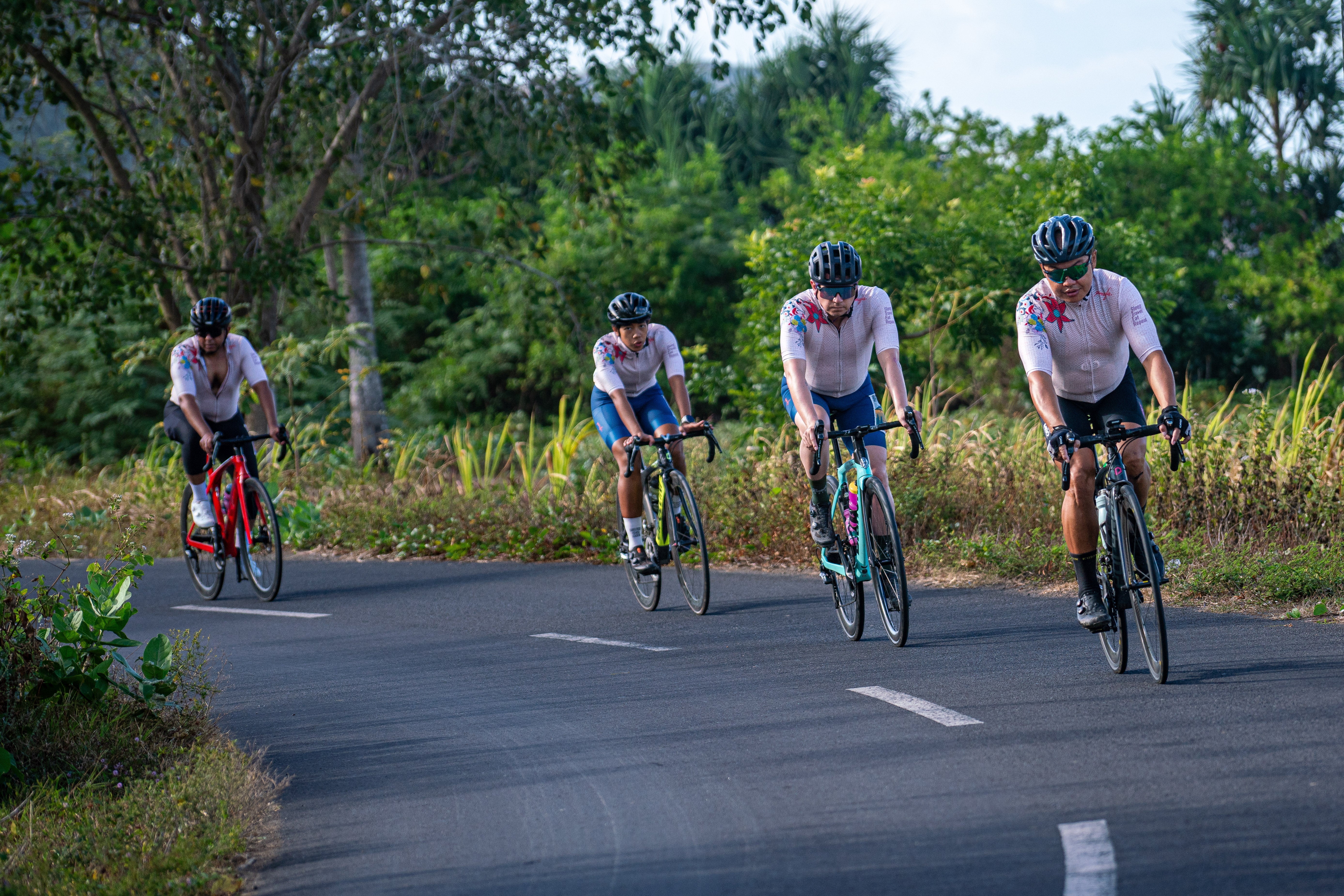


No island on Earth packs more cycling into a smaller space than Mallorca. Seventy kilometres wide, ringed by the Serra de Tramuntana — a UNESCO World Heritage mountain range — and blessed with 300 rideable days a year, Mallorca has become cycling's proving ground. Every February, the WorldTour peloton arrives for training camps. By March, the almond blossom turns the interior pink and the cafés in Pollença and Sóller fill with riders comparing power numbers.
The problem is that Mallorca's reputation has caught up with it. The Tramuntana roads that were quiet a decade ago now carry tour buses in July. The Sa Calobra climb — once a solitary sufferfest — can feel like a group ride on a Saturday morning in May. The island isn't ruined. But riding it well now means knowing when to go, where to stay, and which climbs are still worth the early alarm.
Here's the insider's guide — from someone who's been riding European cycling destinations for 15 years.
The Routes: Four Rides That Define Mallorca
Sa Calobra (Coll dels Reis):The island's most famous climb, and for good reason. You descend 700 metres from the Coll dels Reis junction through 26 switchbacks carved into a limestone gorge to the tiny port of Sa Calobra. Then you turn around and climb all 700 metres back — 9.4 kilometres at 7% average, with sections hitting 12%. The descent is cinematic. The climb back is a rite of passage. The road surface is flawless (resurfaced in 2024). Ride it on a weekday in March or October and you'll share it with maybe five other cyclists. Ride it on a Saturday in May and you'll share it with 200.
Cap de Formentor:The most beautiful road on the island, period. From Port de Pollença, the route climbs gently through pine forest before emerging onto a peninsula of raw limestone cliffs dropping into impossibly blue water. The final 8 kilometres to the lighthouse are a series of punchy ramps and false flats with the Mediterranean on both sides. In summer (June–September), the road closes to private vehicles from 10:00 AM to 7:00 PM — cyclists get it to themselves. If you ride one road in Mallorca, make it this one.
Puig Major:At 14 kilometres with an average 6% gradient, this is Mallorca's longest sustained climb. It starts from the Sóller side, gains 850 metres, and tops out at the Monnaber tunnel at 875 metres. The climb itself is steady and mostly shaded — the challenge is pacing. Go too hard on the lower slopes and the final 3 kilometres through the exposed upper section will humble you. The descent back toward Sóller is one of the best in Europe: sweeping, well-surfaced, and long enough to make the climb worth it.
The Tramuntana Coastal Loop (Banyalbufar to Andratx):If the big three climbs are Mallorca's greatest hits, this is the deep cut. The MA-10 from Banyalbufar to Estellencs to Andratx hugs the western coastline through a series of short climbs and descents with the sea constantly on your left. The road is narrow, the traffic is minimal, and the views are absurd. Total distance: roughly 40 kilometres with 800 metres of climbing. Pair it with a lunch stop in Port d'Andratx and you've got the best day on the island that nobody talks about.

When to Ride: The Seasonality Secret
Mallorca's cycling calendar divides into four distinct windows — and choosing the right one changes everything.
February–March:Pro season. The WorldTour teams base themselves around Alcúdia and Pollença. The roads are busy with pros on training rides, which actually makes riding more interesting — you'll get passed by riders doing tempo up Puig Major while you're in zone 4. Temperatures sit at 12–18°C. The almond blossom turns the interior pink. Accommodation is cheaper than peak season but book early — the cycling crowd fills hotels fast.
April–May:Goldilocks season. Temperatures at 18–25°C, everything is open, and the island is green from spring rain. This is the busiest cycling period — Sa Calobra and Formentor see the most traffic. Start your rides by 7:30 AM and you'll finish most of the climbing before the crowds arrive. Book accommodation 3–4 months ahead.
June–August:Hot but rideable. Temperatures hit 30–35°C by midday. The strategy is simple: wheels rolling by 6:30 AM, done by 11:00 AM, spend the afternoon at the beach. The Formentor road closure to cars makes summer the best time to ride it — car-free paradise. July and August are also when the general tourist crowds peak; avoid the Alcúdia strip entirely.
September–November:The sleeper pick. September offers July-level warmth with half the crowds. October brings golden light, 20–25°C days, and the grape harvest in Binissalem. By November, temperatures drop to 12–18°C but the roads are empty and the Tramuntana gets dramatic cloud inversions. Most services stay open through October. Many cyclists consider October the best month on the island.
December–January:Quiet season. Temperatures at 8–15°C. Higher roads (Puig Major) can get cold and occasionally see snow. Many cycling-focused cafés and shops close. Rideable, but you're here for solitude, not conditions.
Where to Stay: Base Camp vs Point-to-Point
Base camp in the north (Alcúdia / Port de Pollença / Playa de Muro):This is where the cycling infrastructure lives. Bike shops, rental fleets, rider-friendly hotels with early breakfast and bike storage, and direct access to Formentor and the Tramuntana foothills. Port de Pollença is the premium pick — quieter, better restaurants, and you can roll out of your hotel straight onto the Formentor road. Alcúdia is busier but has more accommodation options and easy access to the interior plains for recovery rides.
Sóller / Port de Sóller:The alternative base for riders who want to be on the western side of the Tramuntana. Direct access to Puig Major and the coastal MA-10. Sóller is a beautiful stone town in a valley of orange groves — more character than the northern resorts, less cycling infrastructure. Best for experienced riders who don't need a bike shop on every corner.
Point-to-point through the Tramuntana:Some boutique operators run multi-day itineraries that move through the Tramuntana villages — Deià, Valldemossa, Banyalbufar — staying in converted fincas and riding different sections each day. This is the [boutique cycling experience](/blogs/stories/what-is-sicilian-boutique-cycling-qunafa-guide) approach applied to Mallorca: smaller groups, premium accommodation, routes built by riders who know which roads are worth it and which are overexposed.
The Mallorca Evolution: What's Changing Now
Mallorca is at a crossroads. The island has been cycling's worst-kept secret for years, but a shift is underway. The number of cycling tour operators has tripled since 2019. The famous climbs now see weekend traffic that rivals alpine cols. Some roads in the Tramuntana are beginning to show wear from the volume.
None of this means Mallorca is over. It means the strategy for riding it well has changed.
Start early.In peak season (April–May), aim to be descending Formentor or climbing Sa Calobra before 9:00 AM. You'll have the road largely to yourself and be back at the café by the time the late-starters are queueing at the climb's base.
Go off-peak.October is the move. The weather is still excellent, the sea is warm enough for post-ride swims, and the crowds are a fraction of what they are in May. February is also strong if you're comfortable with 12°C starts and don't mind sharing roads with pros.
Consider what's next.If Mallorca is your template for a Mediterranean cycling destination, [Sicily is cycling's best-kept secret](/blogs/stories/why-sicily-should-be-your-next-cycling-destination) — more variety, fewer riders, better food, and the volcanic terrain is unlike anything in the Balearics. The window for riding Sicily before it becomes the next Mallorca is open, but narrowing. If you've already done Mallorca, Sicily is the natural next step. If you haven't done either, the question is whether you want the established classic or the discovery.
The Qunafa Shahrazad titanium allroad was designed for roads like the MA-10 — capable on rough tarmac, comfortable for 100-kilometre days, and light enough to make Sa Calobra honest.

Qunafa currently operates [Sicily cycling tours](/products/sicily) now. Mallorca tours coming soon — join the waitlist at qunafa.travel for early access. In the meantime, ride our Sicily routes: same Mediterranean drama, half the traffic, and food that justifies every climb.*
Related reads: our premium Mallorca cycling tours · climbing Sa Calobra · spring vs fall riding season