


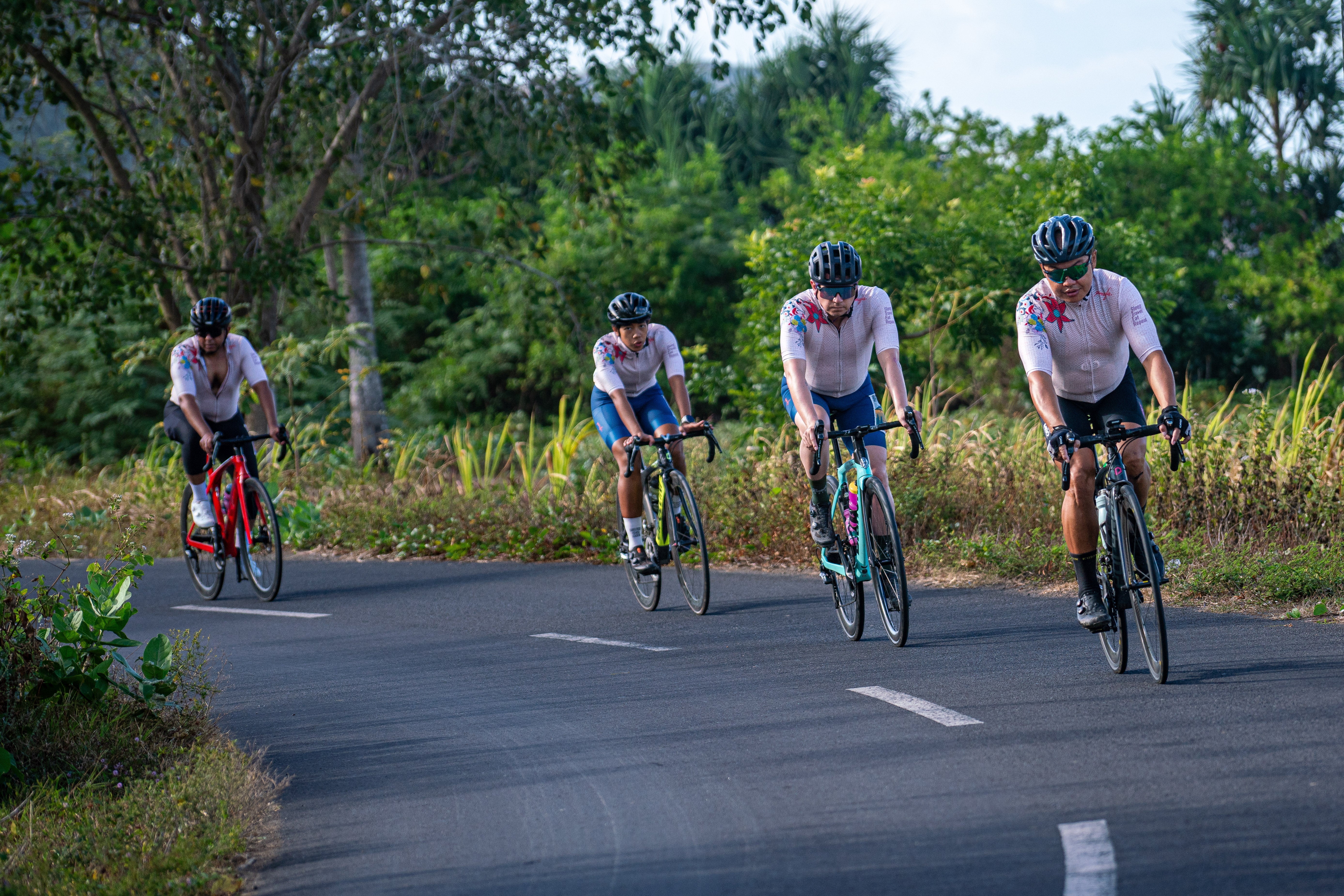


Sicily has the same elevation gain as the Dolomites, the same coastal drama as the Amalfi Coast, and roughly a tenth of the cycling traffic. That equation changes fast — the island is being discovered — but in 2026, it's still the best-value premium cycling destination in Europe.
What makes Sicily different isn't any single feature. It's the density. On a five-day tour you climb an active volcano, descend through vineyards toward the Mediterranean, ride medieval mountain roads that see more sheep than cars, and eat lunch at an agriturismo where the ricotta was made that morning. No other European cycling destination packs that variety into such a compact space.
Here's why Sicily deserves your next cycling week — and what the riding actually looks like.
The Terrain: Every Kind of Riding in One Island
Sicily's cycling geography divides into three distinct zones, each rideable within a single tour itinerary.
Mount Etna and the East: The reason most cyclists first book Sicily. The climb from Nicolosi to Rifugio Sapienza is 29.5 kilometres through four climate zones — citrus groves, vineyards, pine forest, and finally a black lunar landscape at 1,900 metres where the air smells faintly of sulphur. The descent back through the Etna DOC wine region is arguably better than the climb. Around Etna's lower slopes, roads roll through contrade where Nerello Mascalese vines grow in volcanic soil so mineral-rich that the local wine tastes of stone and smoke.
The Madonie Mountains: Inland Sicily, east of Palermo, is the island's best-kept cycling secret. Medieval villages — Castelbuono, Petralia Soprana, Geraci Siculo — perch on limestone ridges connected by roads that rarely see a car. The climbing is sustained (roughly 1,400 metres over 70 kilometres on a classic Madonie loop) but never vicious. The reward isn't just the descent — it's riding through chestnut and oak forest where the only sounds are your drivetrain and distant sheep bells. This is Sicilian boutique cycling at its purest: remote, quiet, and completely unlike the crowded cols of northern Italy.
The Baroque Southeast: The Val di Noto — Ragusa, Modica, Noto, Scicli — offers gentler terrain through a UNESCO-protected landscape of honey-coloured towns and carob groves. This is recovery-day riding done right: rolling roads, coastal stretches through the Vendicari nature reserve, and lunch in Marzamemi, a fishing village where the swordfish was landed that morning. The gradient barely cracks 4%, which means you arrive at lunch feeling like you earned it without being destroyed by it.
The point is that Sicily doesn't ask you to choose between climbing and cruising, or between remote mountains and coastal roads. You get all of it inside a week.

The Food: A Culinary Reward System Built Into Every Route
No destination treats food as a feature of the cycling experience quite like Sicily. This is the island where Greek olive groves, Arab citrus, Norman pastry techniques, and Spanish tomatoes collided over 3,000 years to produce what is arguably Italy's most layered regional cuisine.
The practical advantage for cyclists is that the food infrastructure is built into the riding. You don't have to plan lunch stops — the routes naturally pass through towns with pasticcerie selling cannoli filled to order, cafes where the granita is made from almonds grown on trees you just rode past, and agriturismi serving pasta alla Norma with aubergine fried that morning.
After a Madonie climb, the dish to order is pasta con le sarde — bucatini with fresh sardines, wild fennel, pine nuts, and raisins. It sounds improbable. It makes perfect sense when you taste it. After an Etna ride, it's pasta alla Norma paired with an Etna Bianco made from Carricante grapes grown on the volcano's slopes. The combination justifies the entire climb.
For a deeper dive into pairing Sicily's routes with its cuisine, the island's food geography is as varied as its cycling geography — and the two maps overlap almost perfectly.
When and How to Plan Your Sicily Trip in 2026
Season: The riding window runs March through early November. March–May gives you cool temperatures, wildflowers, and empty roads. June–September is peak — start early (wheels rolling by 7:00 AM) to beat the heat on the lower slopes. October–November is shoulder-season magic: golden light, no crowds, and temperatures still rideable with arm warmers and a gilet. Avoid August unless you genuinely enjoy climbing in 35°C heat.
Getting there: Fly into Catania for East Sicily and Etna access, or Palermo for the Madonie. Both airports are within an hour's drive of the riding. Bike transport is straightforward — most European airlines accept bike boxes as checked luggage for €30–60 each way. Alternatively, Qunafa's bike rental programme outfits you with a titanium allroad frameset built for Sicily's mixed surfaces.
Tour structure: A five-day Sicily cycling tour typically covers either East Sicily (Etna + the Baroque southeast + Syracuse) or the Madonie (inland mountains + coastal stretches near Cefalù). Seven days lets you do both, with a transfer day in between. The East Sicily itinerary is the strongest introduction — Etna is the marquee climb, and the Baroque towns are among the most beautiful you'll ever ride through. The full Sicily tour combines both regions for the complete island experience.
Why 2026 specifically: Sicily is in an inflection year. The roads are still quiet, the agriturismi are still family-run, and the pricing remains reasonable compared to equivalent Dolomites or Provence tours. That won't last. Mallorca was once a quiet cycling island too. The wave of discovery that transformed Girona, the Dolomites, and Mallorca into crowded cycling hubs is beginning to reach Sicily. If you want to ride it before the secret is fully out, this is the year.

Qunafa runs boutique Sicily cycling tours from March through November — small groups, premium accommodations, and routes built by riders who know the island's every back road. Browse East Sicily for the Etna introduction or the full Sicily experience to ride the complete island.
Related reads: 5 most beautiful cycling routes in Sicily · Sicily vs Tuscany cycling comparison