

The first time we heard "printed"
When we first heard the words "3D-printed bike," we pictured a plastic toy. Then we held a printed titanium head tube in our hands. It was cool, dense and quiet, and it was shaped in a way no tube-and-weld shop could shape it.
That's the moment we stopped being skeptical.
What a 3D-printed titanium bike actually is
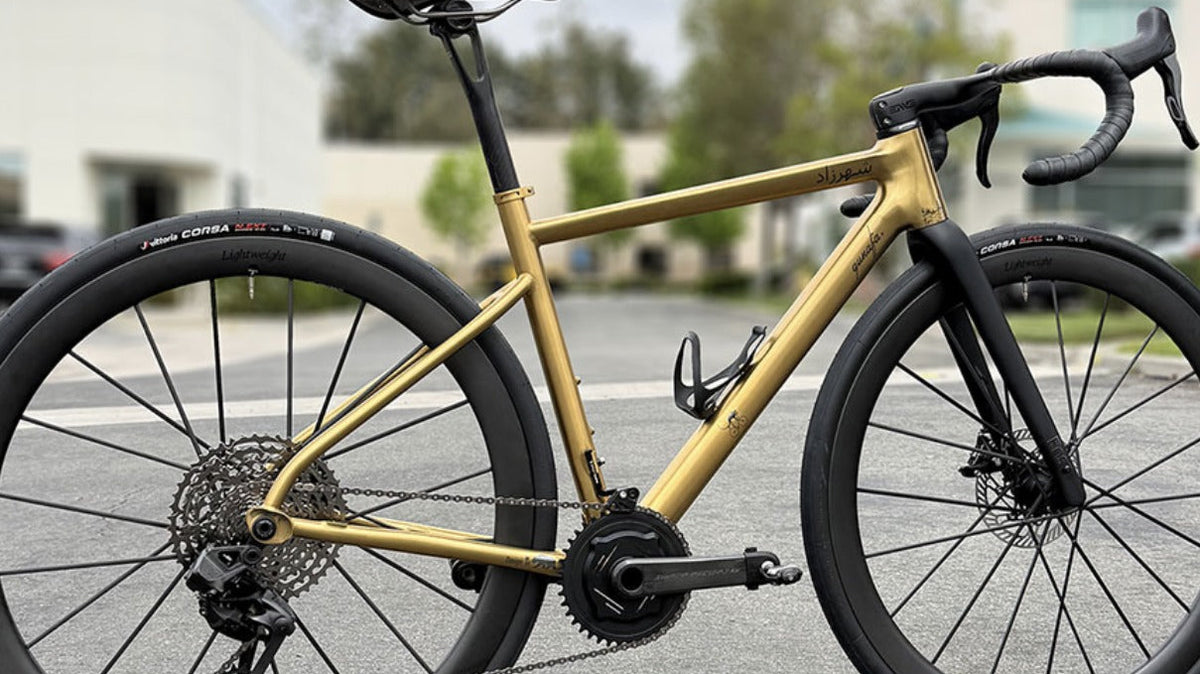
Nobody prints a whole bike in one go. The printed parts are the junctions, the places where the tubes meet. These are the head tube, the seat tube and the bottom bracket, and they carry most of the stress on a frame.
A printer builds each one layer by layer from titanium powder. Because it adds material only where it's needed, a junction can be thick where it takes the load and thin where it doesn't. The tubes then join to those junctions to make the frame.
Why the junctions matter
On a traditional frame, round tubes are cut, mitered and welded together. A good welder makes a strong joint, and we ride plenty of classic titanium bikes and love them.
A printed junction lets the designer decide where the stiffness goes. A bottom bracket can be firm for sprinting and climbing, while the rest of the frame stays forgiving over a long day on rough roads. That's the balance we chase in every bike: the snap of a race bike with the comfort of an endurance frame.
Two bikes, one metal
We don't think one version is "better." They're built for different riders.
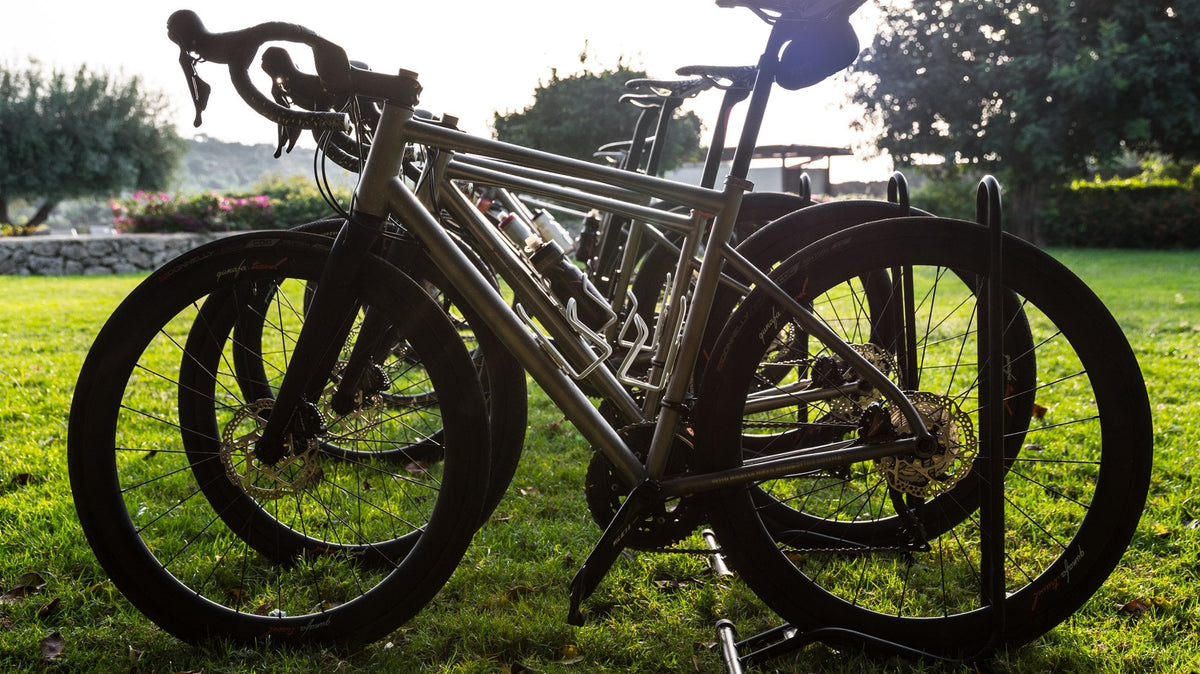
- Classic titanium. Hand-welded titanium tubing, simple and timeless. It's the bike you ride for twenty years and never think about. It's also where most people should start.
- 3D-printed titanium. The same metal, with printed junctions at the head tube, seat tube and bottom bracket. It's for the rider who wants every detail considered, and who will notice the difference in a long climb or a fast descent.
Two bikes, one metal, zero compromise on the ride.
What you'll feel on the road
We don't want to oversell this. Titanium already has a feel that carbon and aluminum don't, a quiet damping that takes the buzz out of a bad road without going dead. A printed junction doesn't change that character.
What it adds is precision. The frame feels like one piece, with the power going down instead of flexing sideways. After a few hours you notice you're less tired than you expected.
Is it durable?
Titanium doesn't rust or corrode, and it doesn't fatigue the way other metals do. A printed titanium junction keeps those properties. It's why a titanium frame is one of the few things in cycling you can buy once and keep.
Who should choose which
- You want the best long-term value and a bike you can ride anywhere: classic titanium.
- You love engineering, you ride hard, and you want the most refined version: 3D-printed titanium.
- You're not sure: ride both. Honestly, that's the best advice we can give.
The bigger story
We started as a tour company. We spent years watching what riders actually need over long days in the mountains, and we tried about twenty brands before we settled on titanium. The bikes we make now come from that: what a rider feels at hour five, not what looks good in a catalog.
3D printing is one more tool for that job. It was never meant as a gimmick.
See the bikes
Curious how a classic and a 3D-printed titanium bike compare? Explore our titanium bikes and see the details up close. Or ride with us: see our cycling tours and feel the difference on the road.